
 Let's Talk


14 Powerful B2B Marketing Strategies to Grow Business in 2025
Author: Saurav (Srv) Singhania | 5 mins read
Did you know that 75% of B2B buyers prefer a digital-first approach when researching new products and services? With evolving technology and changing buyer behavior, businesses must adopt innovative B2B marketing strategies to stay competitive. Traditional marketing tactics are no longer enough-modern businesses need data-driven, personalized, and AI-powered approaches to attract and retain clients. In this blog, we'll explore the latest and most effective B2B marketing strategies that can help your business thrive in 2025.
B2B (Business-to-Business) marketing refers to the strategies companies use to promote their products or services to other businesses rather than individual consumers. Unlike B2C marketing, which focuses on emotions and quick decisions, B2B marketing relies on logic, ROI, and long-term relationships.
Why It Works: ABM delivers personalized experiences, improving lead quality and customer retention.
Example: Adobe successfully implemented ABM to target enterprise clients, leading to a 60% increase in deal size.
Example: Salesforce uses AI-driven email marketing tools to send personalized content based on user behavior, improving engagement rates.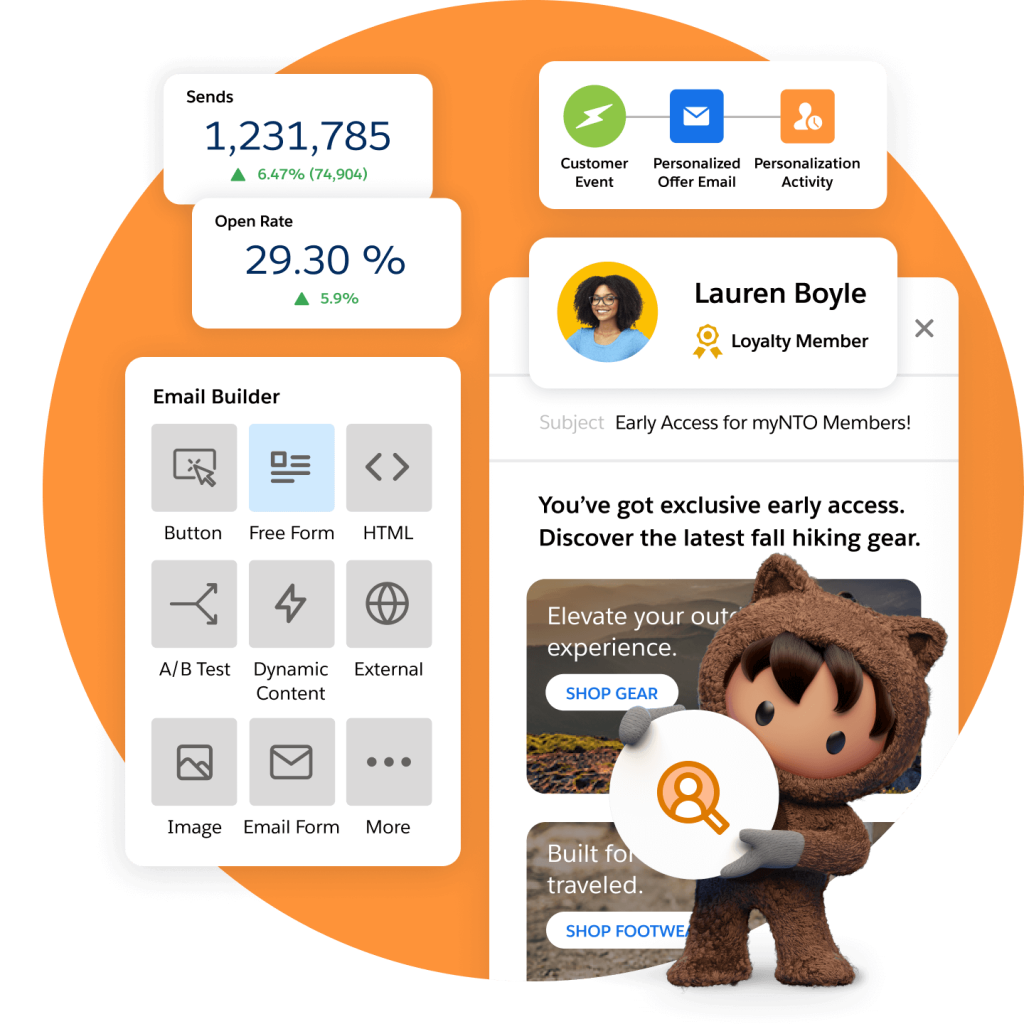
Tip: Google prioritizes high-quality, relevant content-so optimize it with the right keywords for better rankings.
Stat: 70% of B2B buyers watch videos before making a purchase decision.
Example: HubSpot effectively uses YouTube tutorials and webinars to educate businesses on inbound marketing, driving customer engagement.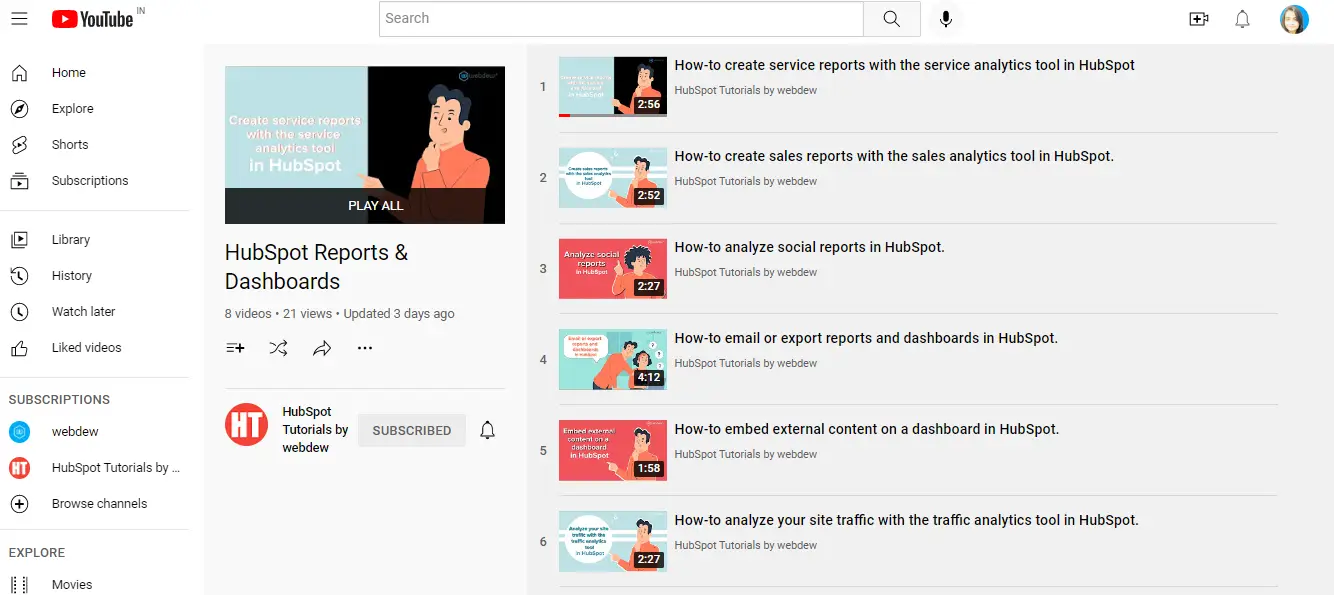
Tip: Join LinkedIn groups related to your industry and participate in meaningful conversations.
Example: Satya Nadella, CEO at Microsoft uses LinkedIn to share thought leadership articles and industry insights, strengthening its brand authority.
Example: IBM uses employee advocacy programs to boost their brand's reputation and authority by encouraging employees to share company updates.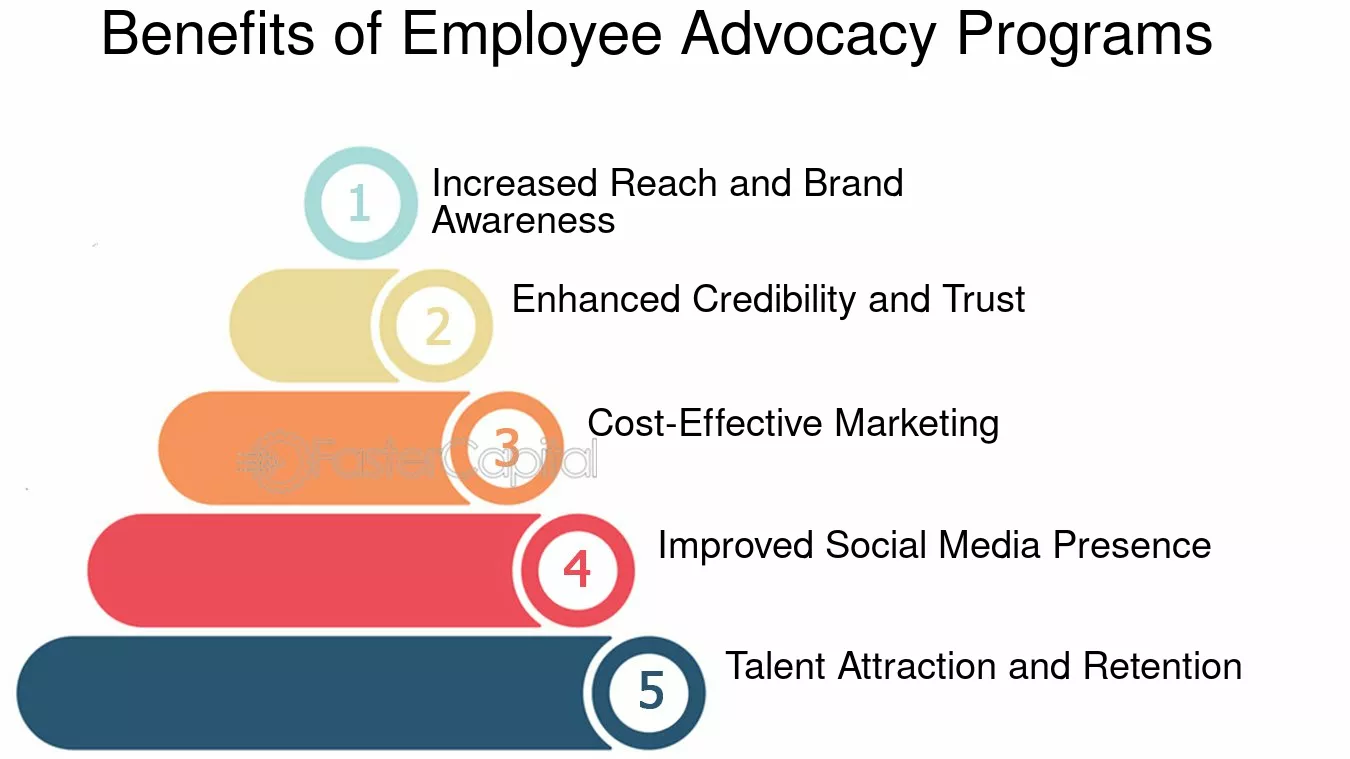
Fact: 80% of B2B buyers expect personalized experiences similar to B2C interactions.
Example: Amazon Web Services (AWS) uses data-driven personalization to recommend cloud solutions based on customer needs, increasing customer satisfaction.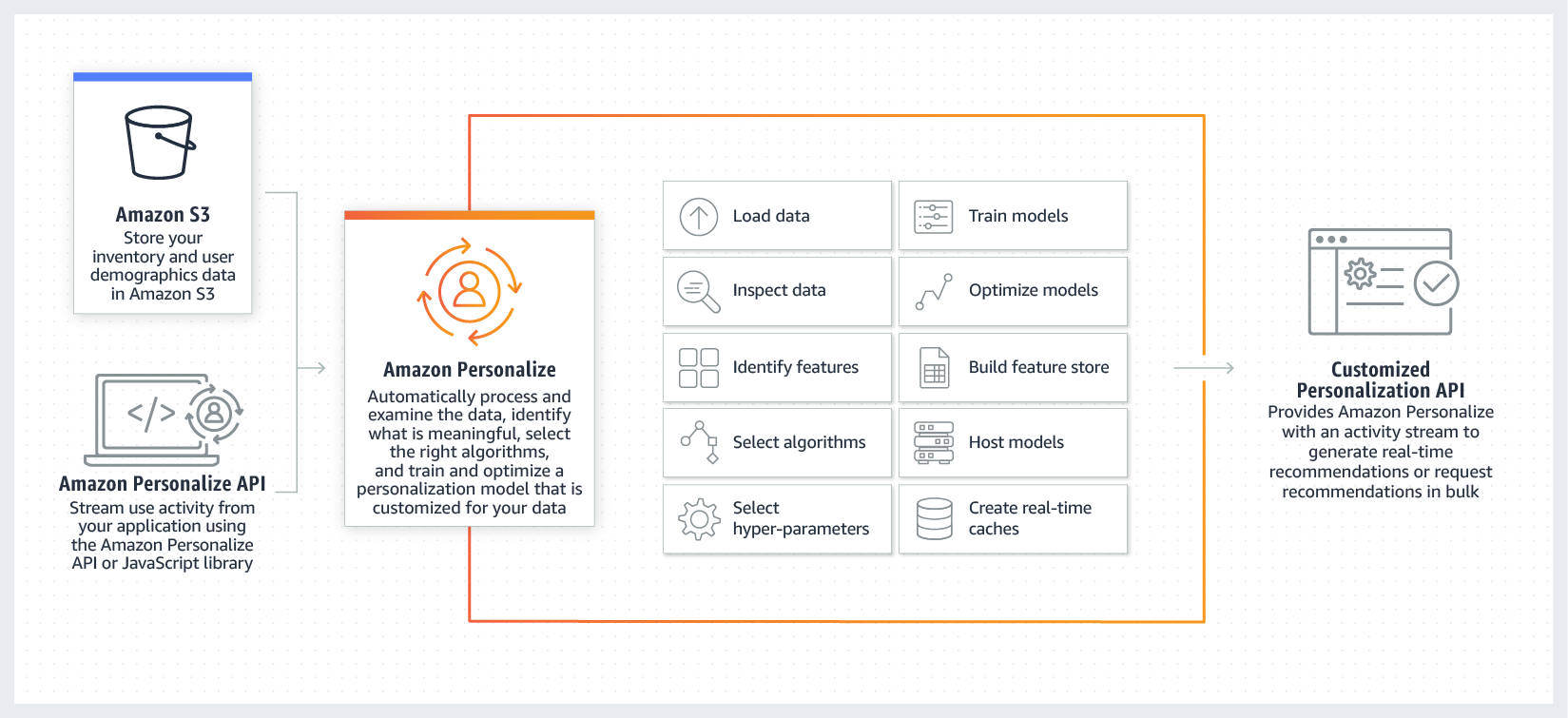
Example: SEMrush offers interactive SEO audits that help businesses improve their digital presence.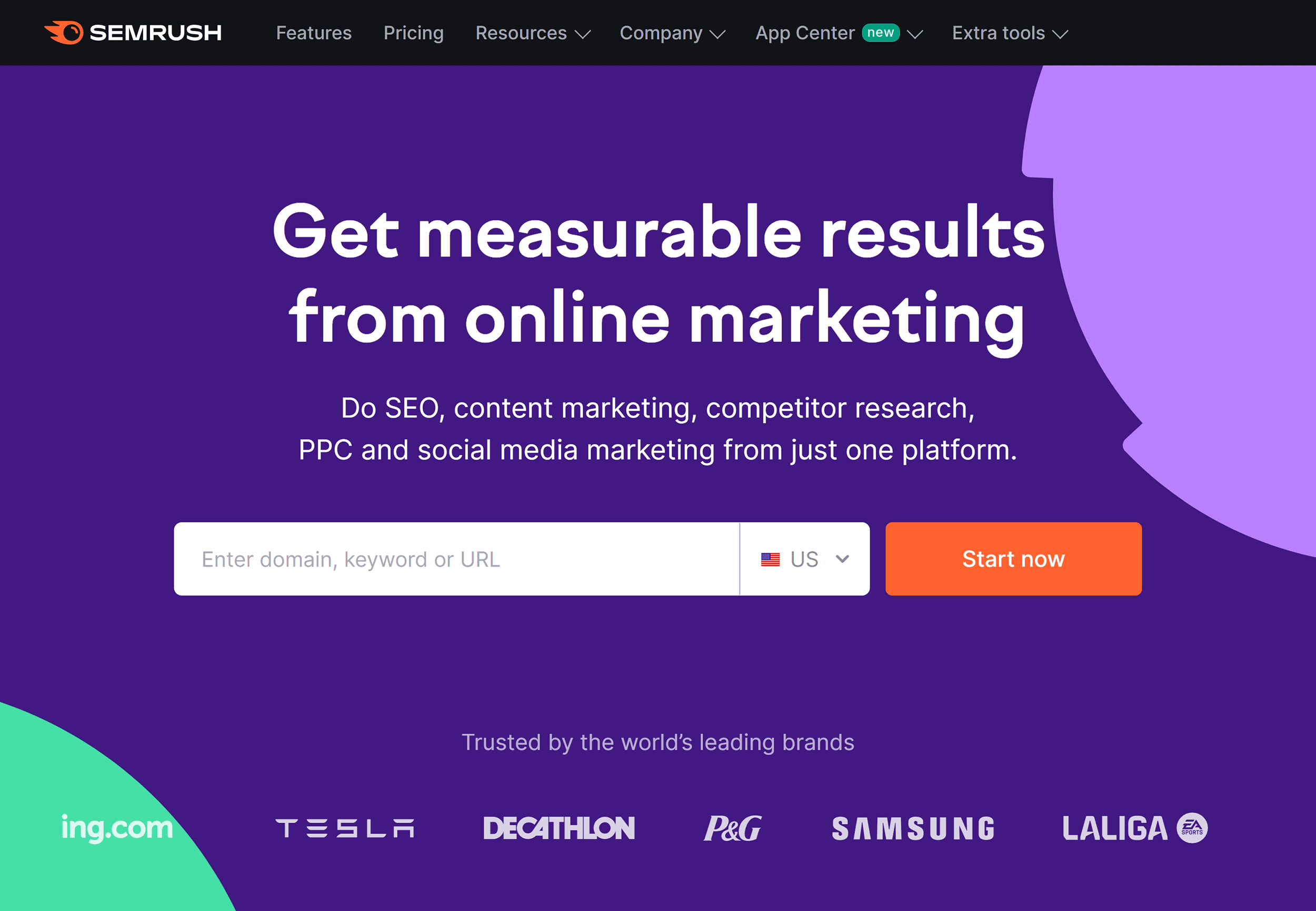
Tip: Focus on long-tail keywords and create high-value content to rank higher on Google.
Example: Deloitte runs a successful podcast discussing business transformation and technology trends.
Example: HubSpot uses retargeting to display customized ads for users who visited their pricing page but didn't sign up.
Example: Zoom hosts virtual industry summits to demonstrate its technology to potential business clients.
Example: Dropbox Business offers incentives to customers who refer new companies to use their services.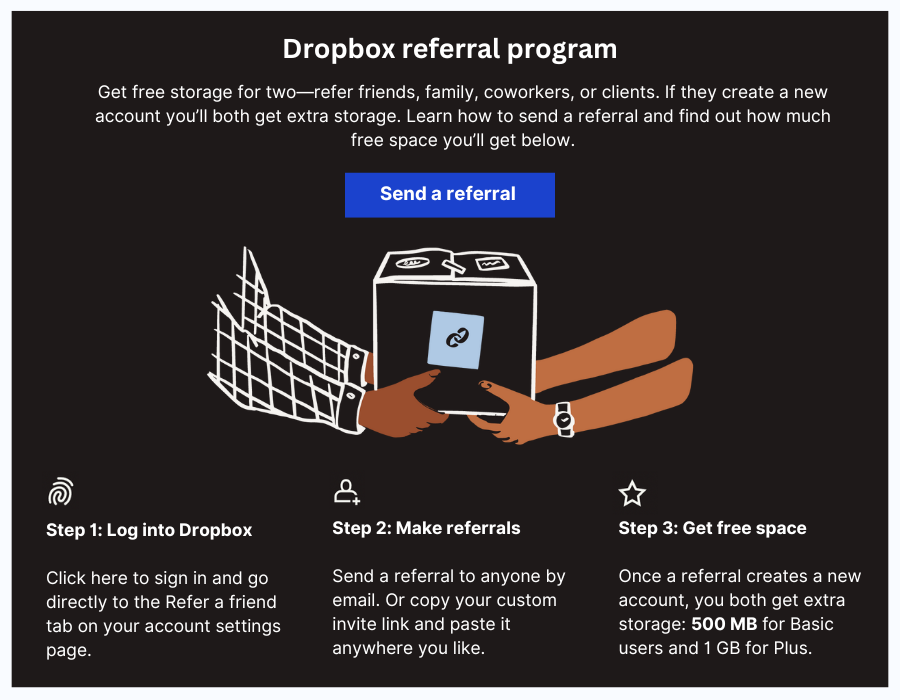
Example: Drift uses AI chatbots to qualify leads and schedule sales calls automatically.
Success in B2B marketing is no longer about broad, one-size-fits-all campaigns-it's about delivering the right message to the right audience at the right time. Implementing these strategies will not only improve brand awareness but also drive higher conversions and long-term customer loyalty. Want to know more about marketing, here's guide Saurav (Srv) Singhania.

B2B (Business-to-Business) marketing refers to the strategies companies use to promote their products or services to other businesses rather than individual consumers. Unlike B2C marketing, which focuses on emotions and quick decisions, B2B marketing relies on logic, ROI, and long-term relationships.
14 Latest B2B Marketing Strategies
- Account-Based Marketing (ABM)
- AI-Powered Marketing Automation
- Content Marketing & Thought Leadership
- Video Marketing for B2B
- Social Media & LinkedIn Networking
- Influencer & Employee Advocacy Marketing
- Data-Driven Marketing & Personalization
- Interactive Content Marketing
- Search Engine Optimization (SEO) for B2B
- Podcast Marketing
- Retargeting & Remarketing Campaigns
- Webinar & Virtual Events
- Referral & Partner Marketing
- Conversational Marketing & Chatbots
1. Account-Based Marketing (ABM)
ABM is a highly targeted approach where marketing and sales teams work together to focus on high-value clients. Instead of broad campaigns, ABM tailors marketing efforts to specific businesses, increasing engagement and conversions.Why It Works: ABM delivers personalized experiences, improving lead quality and customer retention.
Example: Adobe successfully implemented ABM to target enterprise clients, leading to a 60% increase in deal size.
2. AI-Powered Marketing Automation
Automation tools powered by AI help streamline marketing processes, nurture leads, and personalize customer interactions. From chatbots to predictive analytics, AI is transforming the way B2B companies market their services.Example: Salesforce uses AI-driven email marketing tools to send personalized content based on user behavior, improving engagement rates.
(Source: Salesforce)
3. Content Marketing & Thought Leadership
Creating valuable, informative content positions your brand as an industry expert. Blog posts, whitepapers, case studies, and webinars help educate prospects and build trust. High-quality content not only drives organic traffic through SEO but also nurtures leads through informative and insightful materials. According to the Content Marketing Institute, 70% of B2B marketers say content marketing has increased their lead quality and engagement. Additionally, businesses that publish consistent blog content get 67% more leads compared to those that don't.Tip: Google prioritizes high-quality, relevant content-so optimize it with the right keywords for better rankings.
4. Video Marketing for B2B
Videos are no longer just for B2C brands. B2B buyers prefer video content for product demos, customer testimonials, and industry insights. Platforms like LinkedIn and YouTube are perfect for showcasing your expertise.Stat: 70% of B2B buyers watch videos before making a purchase decision.
Example: HubSpot effectively uses YouTube tutorials and webinars to educate businesses on inbound marketing, driving customer engagement.
(Source: Hubspot)
5. Social Media & LinkedIn Networking
LinkedIn is the go-to platform for B2B marketing. Posting insightful content, engaging in discussions, and leveraging LinkedIn Ads can significantly boost your brand's visibility. Twitter and Facebook also play a role in customer engagement.Tip: Join LinkedIn groups related to your industry and participate in meaningful conversations.
Example: Satya Nadella, CEO at Microsoft uses LinkedIn to share thought leadership articles and industry insights, strengthening its brand authority.
(Source: Microsoft)
6. Influencer & Employee Advocacy Marketing
B2B influencers and your own employees can act as brand ambassadors, helping to establish credibility. Partnering with industry experts can increase your reach and influence in your niche. Studies show that content shared by employees gets 8 times more engagement than brand-shared content, and 92% of consumers trust recommendations from individuals over brands.Example: IBM uses employee advocacy programs to boost their brand's reputation and authority by encouraging employees to share company updates.
(Source: IBM)
7. Data-Driven Marketing & Personalization
Understanding customer behavior through data analytics allows businesses to tailor their marketing strategies. Personalization can be as simple as customized email campaigns or as advanced as AI-driven recommendations.Fact: 80% of B2B buyers expect personalized experiences similar to B2C interactions.
Example: Amazon Web Services (AWS) uses data-driven personalization to recommend cloud solutions based on customer needs, increasing customer satisfaction.
(Source: Amazon)
8. Interactive Content Marketing
Engaging content such as quizzes, assessments, and interactive infographics keeps potential clients interested and helps them learn more about your business offerings. Interactive content provides a two-way experience, making it more engaging than static content. This type of content is particularly effective in capturing leads, as users are often required to enter their contact information to see results.Example: SEMrush offers interactive SEO audits that help businesses improve their digital presence.
(Source: Semrush)
9. Search Engine Optimization (SEO) for B2B
Optimizing your website and content for search engines ensures that your business appears in front of potential clients when they search for relevant topics. A strong SEO strategy involves keyword research, high-quality content creation, and technical optimization to improve website performance. Investing in SEO helps B2B companies achieve long-term organic growth and increase brand visibility.Tip: Focus on long-tail keywords and create high-value content to rank higher on Google.
10. Podcast Marketing
B2B companies are increasingly using podcasts to share industry insights, discuss trends, and build relationships with their target audience. Podcasts provide a convenient way for busy professionals to consume content while commuting or working. Hosting or sponsoring a podcast can position your brand as a thought leader in your industry and attract highly engaged listeners.Example: Deloitte runs a successful podcast discussing business transformation and technology trends.
11. Retargeting & Remarketing Campaigns
Retargeting helps re-engage website visitors who didn't convert the first time by displaying personalized ads on other platforms they visit. Since many B2B buyers take time to make decisions, remarketing ensures your brand stays in their consideration set. Personalized remarketing ads have higher conversion rates than standard display ads.Example: HubSpot uses retargeting to display customized ads for users who visited their pricing page but didn't sign up.
12. Webinar & Virtual Events
Hosting webinars and online conferences is an effective way to engage potential customers, provide value, and showcase expertise. Virtual events allow businesses to connect with a global audience and generate high-quality leads. Providing in-depth knowledge on industry trends and solutions builds credibility and strengthens relationships with prospects.Example: Zoom hosts virtual industry summits to demonstrate its technology to potential business clients.
(Source: Zoom)
13. Referral & Partner Marketing
Encouraging satisfied customers and partners to refer new clients can be a powerful way to expand your business network and credibility. Partnering with other businesses for co-marketing initiatives can open new opportunities and increase brand exposure. Referral programs with incentives can help accelerate word-of-mouth marketing.Example: Dropbox Business offers incentives to customers who refer new companies to use their services.
(Source: Dropbox)
14. Conversational Marketing & Chatbots
AI-powered chatbots and live chat tools allow businesses to provide instant assistance to potential clients, improving customer experience and conversions. Conversational marketing ensures customers get quick responses, which can help convert leads faster. Chatbots can also be used to qualify leads, answer FAQs, and schedule sales calls automatically.Example: Drift uses AI chatbots to qualify leads and schedule sales calls automatically.
Final Thoughts
B2B marketing is shifting towards personalization, AI-driven strategies, and high-value content. Businesses that adapt to these changes will gain a competitive edge in 2025. Start implementing these B2B marketing strategies today and watch your business grow. Additionally, leveraging social media, influencer marketing, and video content will help businesses build strong relationships and establish credibility in their industries.Success in B2B marketing is no longer about broad, one-size-fits-all campaigns-it's about delivering the right message to the right audience at the right time. Implementing these strategies will not only improve brand awareness but also drive higher conversions and long-term customer loyalty. Want to know more about marketing, here's guide Saurav (Srv) Singhania.
FAQs
Q1. What is the most effective B2B marketing strategy?
Account-Based Marketing (ABM) is one of the most effective strategies as it focuses on personalized engagement with high-value clients. By aligning sales and marketing teams, businesses can build stronger relationships and improve their ROI significantly.Q2. How can social media help in B2B marketing?
Platforms like LinkedIn allow businesses to connect with decision-makers, share valuable insights, and build authority in their industry. Engaging in discussions, posting high-quality content, and leveraging paid promotions can enhance visibility and lead generation.Q3. Why is content marketing important for B2B?
Content marketing helps establish trust, educate potential buyers, and improve SEO rankings, leading to higher conversions and long-term relationships. Well-researched articles, whitepapers, and case studies provide value, making businesses more credible.Q4. How does AI improve B2B marketing?
AI enhances B2B marketing by automating repetitive tasks, analyzing customer behavior, and delivering personalized experiences. From AI chatbots handling customer queries to predictive analytics for better targeting, AI-driven marketing improves efficiency and engagement.
Saurav (Srv) Singhania, a Marketing & Branding Strategist, Business Growth Consultant, and SEO Expert with 9+ years of experience since 2016, drives brands forward with creative, data-driven solutions for branding, SEO, social media, performance marketing, funnel optimization, budget management, and lead generation, ensuring sustainable growth across all channels.


Strategy That Transforms ✨
×
Explore More Resources
Insightful Blogs.
More than just articles
Read expert tips and strategies to boost your marketing game.
Browse My eBooks.
Beyond just insights.
Unlock strategies and techniques that drive marketing success.
Free Marketing Tools.
Your toolkit for success
Access tools to enhance your marketing efforts, all for free.
Need to amplify your brand voice?
Srv Singhania is the Global Marketing & Branding Strategist.